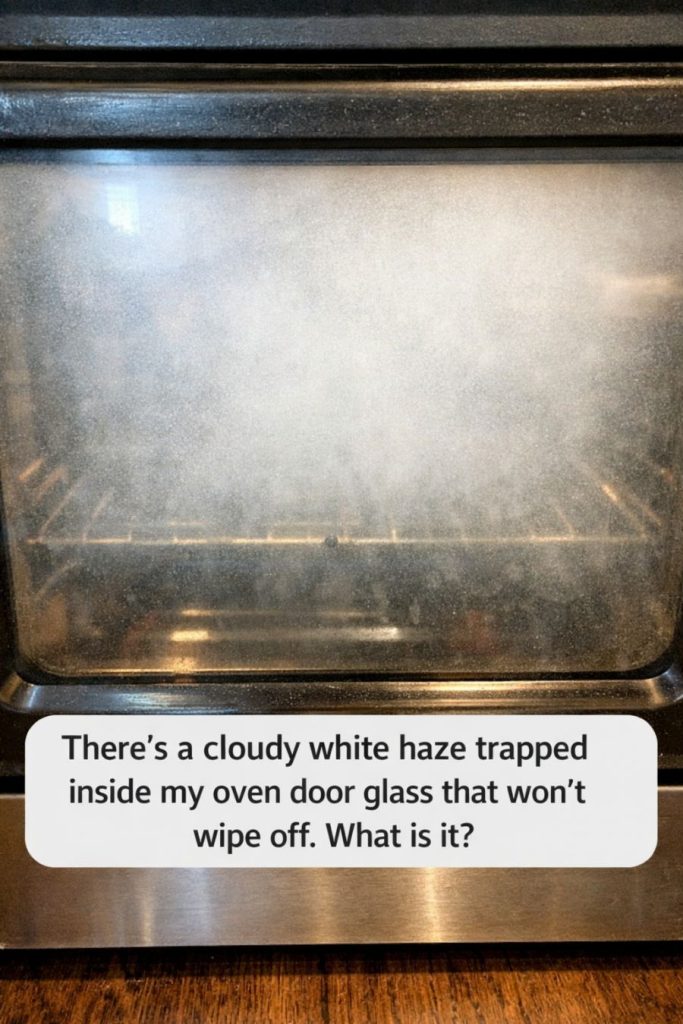
An oven is one of the key appliances in any kitchen, working tirelessly to bake, roast, and broil our favorite dishes. But, over time, you might notice a cloudy white haze trapped between the panes of your oven door glass. While this haze can be unsightly, it often raises questions about its origin and whether it affects your oven’s performance.
This article aims to demystify the common issue of cloudy oven glass. We’ll explore what causes this haze, how to prevent it, and offer solutions to restore your oven door to its original clarity. Understanding the science behind this phenomenon can help you maintain your appliance and keep your kitchen looking pristine.
1. What That Cloudy White Haze Inside Your Oven Door Really Is
The cloudy white haze that appears between the panes of your oven door is most commonly a build-up of mineral deposits. These deposits are usually composed of calcium and magnesium, which are left behind when water evaporates during cooking or cleaning. The minerals adhere to the glass surface over time, forming a stubborn film.
This mineral film is similar to what you might see on glass shower doors or windows exposed to hard water. It can build up incrementally, often unnoticed until it becomes significantly opaque. While the film is not harmful, it can obstruct your view into the oven and make it difficult to check on your cooking without opening the oven door.
2. How Baked-On Mineral Film Forms Between Oven Glass Panels
The mineral film forms due to the combination of moisture, heat, and minerals. When cooking, especially at high temperatures, water vapor is produced and can seep between the oven door’s glass panels. As the moisture evaporates, it leaves behind mineral residues.
Over time, these residues accumulate, baking onto the glass due to the high temperatures within the oven. The repeated cycle of heating and cooling facilitates this process, making the mineral film particularly challenging to remove with standard cleaning methods. In areas with hard water, this problem can be more pronounced due to higher mineral content.