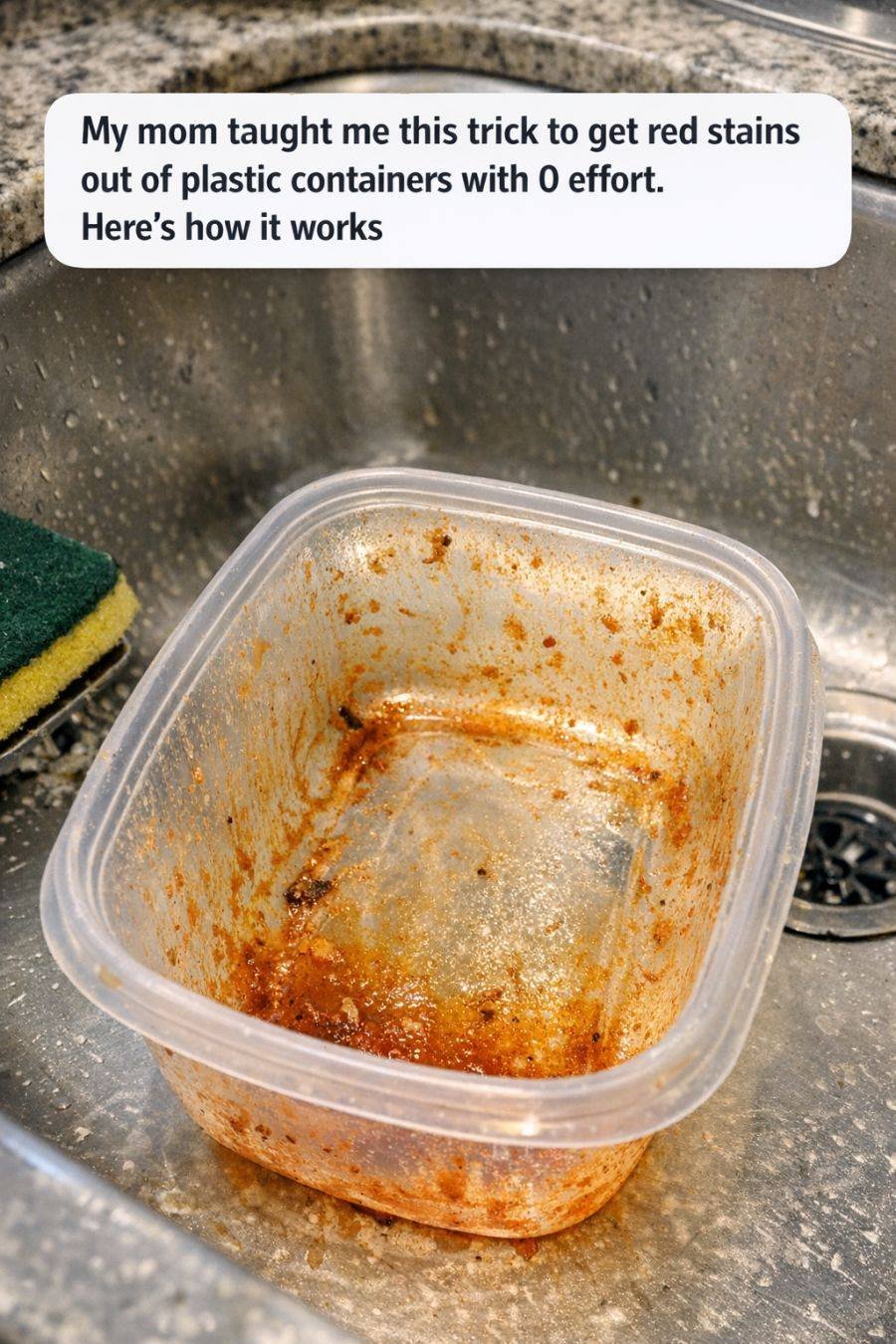
For optimal results, let the baking soda sit on the stains for at least 15 to 30 minutes. This gives the baking soda ample time to penetrate the stains and break them down. If the stains are particularly stubborn, you can leave the baking soda on for up to an hour.
During this time, you can go about your day without worrying about your containers. The extended duration allows the baking soda to work its magic, ensuring that even the most persistent stains are lifted by the time you rinse the container.
6. The Science Behind Stain-Grabbing Oils and Sauces
The reason why oils and sauces stain plastic so effectively is due to their chemical composition. Many oils and sauces contain lipids and pigment molecules that are hydrophobic, meaning they repel water but bond well with other non-water-soluble materials, like the polymers in plastic.
When these substances come into contact with the plastic, they seep into the material’s pores and stick, making them difficult to remove with water alone. Baking soda, with its unique properties, interacts with these oils and pigments differently, breaking the bonds and allowing them to be washed away.
7. What Kind of Plastic Containers This Works Best On
This baking soda trick works best on containers made from high-density polyethylene (HDPE) and polypropylene (PP), which are common in kitchenware due to their durability and resistance to heat. These plastics have pores that can trap stains, making them ideal candidates for this method.
However, this method can also be effective on other types of plastic, provided they are not overly scratched or degraded. It’s always a good idea to test a small, inconspicuous area first if you’re unsure about the material.
8. Common Mistakes That Make Red Stains Even Worse
One common mistake is using harsh scrubbers or abrasive cleaners that can scratch the surface of the plastic, making future stains even more difficult to remove. Another mistake is using hot water or dishwashers with high temperatures that can warp the plastic and open up the pores further.
Additionally, using acidic cleaners like vinegar or lemon juice can sometimes set the stain further, especially if not rinsed properly. It’s best to avoid these methods and stick to baking soda for a gentle yet effective cleaning.
9. What to Do If the Stain Still Won’t Budge
If the stain persists despite using baking soda, try repeating the process. Sometimes, a second application is necessary for deeply ingrained stains. You can also try combining baking soda with a few drops of dish soap to enhance its cleaning power.
If all else fails, consider filling the container with warm water and adding a few tablespoons of baking soda, letting it soak overnight. This extended exposure can help to lift even the most stubborn stains.
10. Smart Ways to Prevent Future Stains Before They Happen
To prevent future stains, consider investing in glass containers or using plastic containers with a non-stick coating designed to resist staining. Alternatively, you can apply a thin layer of oil to the interior of plastic containers before storing staining foods, creating a barrier between the food and the plastic.
Another preventive measure is to immediately rinse containers after use with warm water, reducing the amount of time the staining agents have to interact with the plastic. This simple habit can go a long way in keeping your containers stain-free.
11. Other Low-Effort Kitchen Stain Hacks to Try Next
Beyond baking soda, there are other low-effort hacks to tackle kitchen stains. For instance, using lemon juice and sunlight can bleach out stains from white containers or fabrics, while a paste of cream of tartar and water can work wonders on metal cookware.
For coffee or tea stains in mugs, a simple scrub with salt can lift discoloration, while a combination of vinegar and baking soda can clean drains effectively. These hacks are all about using common household items to make kitchen maintenance easier and more efficient.