When You Can Leave It In
For small shrimp, such as salad shrimp or bay shrimp, the tract is extremely thin and usually impossible to notice once cooked. Leaving it in saves time and makes no difference in taste or texture.
When shrimp are cooked with the shell on, such as boiled, steamed, or grilled shrimp, many people do not bother removing it because the shell is discarded during eating anyway.
In stocks, soups, and broths, the tract adds no noticeable flavor and is strained out along with shells and solids, making removal unnecessary.
Discover more
shrimp
salads
grilling
How to Remove It If You Choose To
After peeling the shrimp, make a shallow cut along the back using a small knife. Gently lift out the dark line with the tip of the knife or a toothpick. Rinse briefly under cold water. This process is quick and optional, based entirely on preference.
Removing the so called vein from shrimp is a matter of texture, appearance, and personal taste, not safety or cleanliness. Knowing what it actually is allows you to decide when it matters and when it does not. Both choices are correct depending on the dish, the size of the shrimp, and your own cooking style.
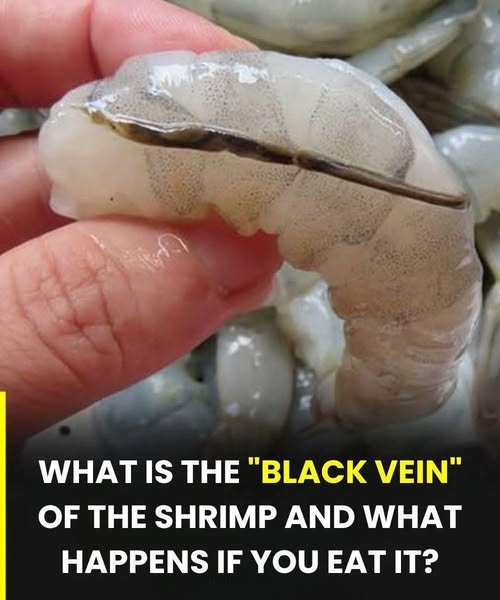
That dark, thin line running along the back of a shrimp is commonly called the vein, but it is not actually a vein at all. This misunderstanding is very common, even among experienced home cooks. In reality, shrimp do not have veins like humans because they have an open circulatory system, meaning their hemolymph flows freely inside the body rather than through closed blood vessels.
Discover more
Salad
Kitchen supplies
soups
What people call the vein is actually the shrimp’s digestive tract, essentially its intestine. The dark color comes from undigested food and waste, which often includes algae, plankton, or organic particles from the water where the shrimp lived. Because of this, the color and thickness of the tract can vary depending on the shrimp’s size and diet.Kitchen supplies
There is also a lighter or white line that sometimes appears along the underside of the shrimp. This is not waste and not a vein either. It is the shrimp’s nerve cord, and it is usually left in place because removing it is unnecessary and can damage the shrimp’s shape.
Whether or not you should remove the digestive tract depends on several factors. Size is one of the most important. Large shrimp, such as jumbo or extra large varieties, tend to have a thicker and more noticeable tract. In these cases, leaving it in can sometimes result in a gritty texture or a slightly bitter or muddy taste. For this reason, many chefs prefer to remove it when preparing dishes where the shrimp is the star of the plate.