5. Respiratory and Blood Oxygenation
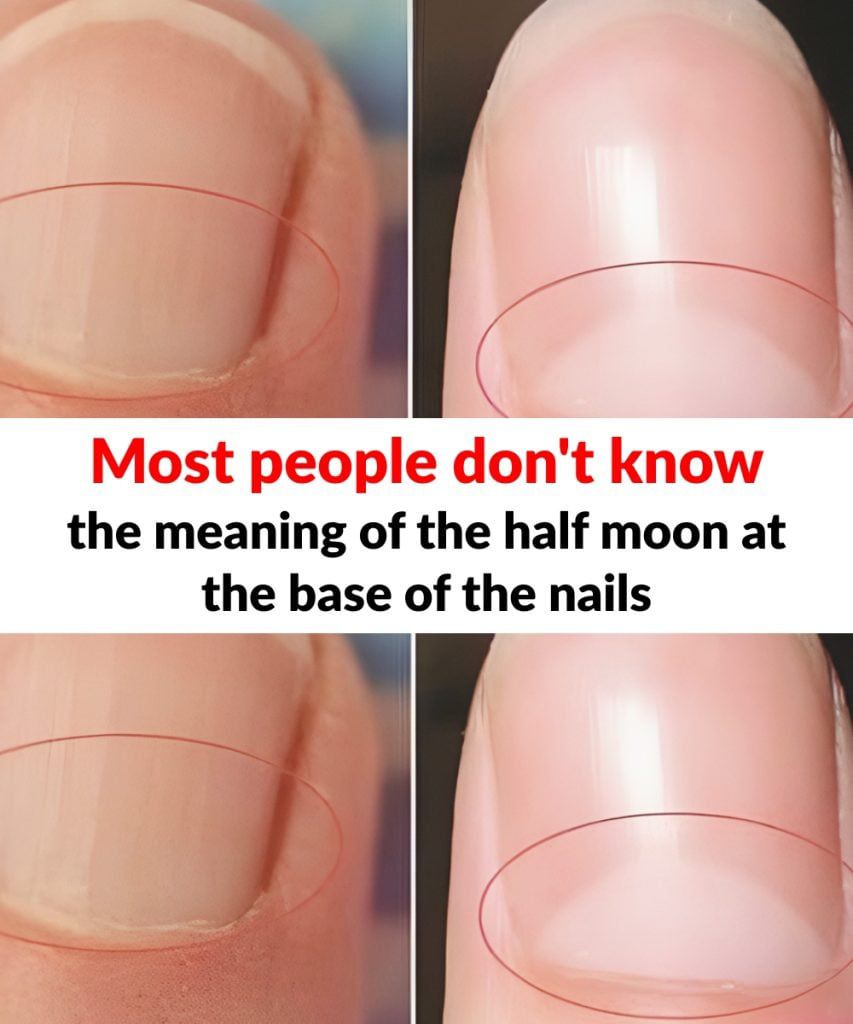
A bluish or purplish lunula can suggest low oxygen levels in the blood or respiratory challenges. This is particularly important to monitor for individuals with chronic respiratory conditions.
Factors Affecting Lunula Visibility
Several factors determine how visible the lunula is, and it’s important to remember that variation is normal:
Age: The lunula tends to become less prominent with age, especially in older adults.
Skin Tone: Darker skin tones may naturally obscure the lunula, making it less noticeable.
Genetics: Some people naturally have larger or smaller lunulae due to hereditary factors.
Health Conditions: Chronic illnesses, nutritional deficiencies, or trauma can alter lunula appearance.
Nail Care: Frequent manicures, nail trauma, or chemical exposure can affect the lunula’s visibility.
Common Misconceptions About the Lunula
Many myths surround the half-moon at the base of the nails. Let’s clarify a few:
- Myth: “All healthy nails must have visible lunulae.”
Fact: Lunula visibility varies widely and may be naturally absent or subtle in some individuals without indicating health issues. - Myth: “Large lunulae are always better.”
Fact: Lunula size is largely genetic. Excessively large lunulae are not necessarily healthier—they simply reflect individual nail matrix characteristics. - Myth: “Lunula disappearance always signals illness.”
Fact: Lunulae can become less visible with age or changes in nail thickness without indicating underlying disease.